
How Does Parkinson’s Disease Progress?
Living with Parkinson’s disease or supporting someone who has it can bring many questions and uncertainties. It is natural to wonder what the future might look like and how things may change over time. While every person’s experience is different, understanding how Parkinson’s can progress often helps families feel more prepared and reassured. With the right support for Parkinson's, many people continue to live meaningful, active lives for many years after diagnosis.
What is Parkinson’s Disease?
It can help to understand the basics of how Parkinson’s disease affects the brain when thinking about how the condition develops over time. In simple terms, Parkinson’s is caused by a loss of nerve cells in the brain. These cells are responsible for producing dopamine, a chemical that plays an essential role in controlling movement.
When dopamine levels fall, it becomes harder for the body to regulate movement smoothly. This is what leads to many of the symptoms associated with Parkinson’s, such as tremors and stiffness. Understanding this process can make it easier to make sense of changes as they happen.
Stages of Parkinson’s Disease
Parkinson’s disease is a progressive condition, which means symptoms gradually change and worsen over time. However, the pace of progression varies from person to person; some people live with Parkinson’s for 20 years or more, while others may notice changes sooner.
Stage 1
In the early stages, symptoms are usually mild and may not interfere significantly with daily life. Signs of Parkinson’s can be easy to overlook at first, as many people can continue their usual routines with little disruption.
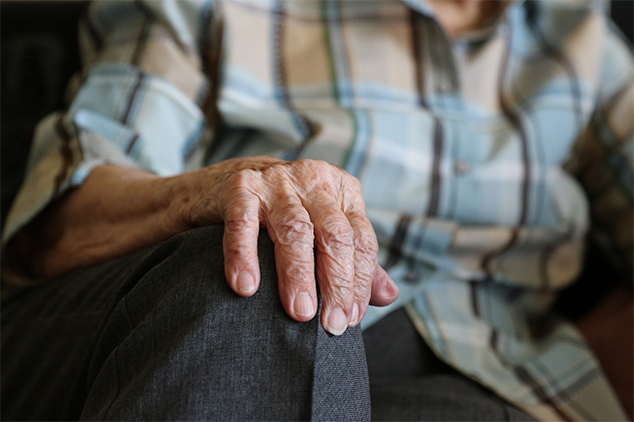
A slight tremor is commonly the first sign, along with subtle changes in walking, posture or facial expressions, all presenting on one side of the body. The early stages of Parkinson’s usually occur in people over 50, although some individuals may experience symptoms earlier.
Stage 2
Stage 2 is still considered an early stage, although symptoms become more noticeable and harder to ignore. They may begin to affect daily activities, even if only in small ways, which is why many people are diagnosed with Parkinson's during this stage.
At this stage, movement-related symptoms start to affect both sides of the body and tremors, stiffness and changes in movement may become more visible to others. Even so, many people continue to manage independently and are likely to not yet require treatment.
Stage 3
Stage three is considered mid-stage Parkinson’s, as symptoms from earlier stages continue to progress making everyday tasks take more time and effort. People in the third stage of Parkinson’s Disease often experience a loss of balance, which increases the risk of falls. This typically develops after around 10 years of living with the condition.
Although these challenges are more noticeable, many people are still able to live independently with the right support in place. At this point, Parkinson’s is usually deemed as causing a mild to moderate disability.
Stage 4
Stage 4 marks the beginning of advanced Parkinson’s disease. At this point, symptoms are more significant and can affect a person’s ability to manage daily life alone, as they will require support with most tasks. At this stage, some people consider moving into a specialist Parkinson's care home to support their overall quality of life.
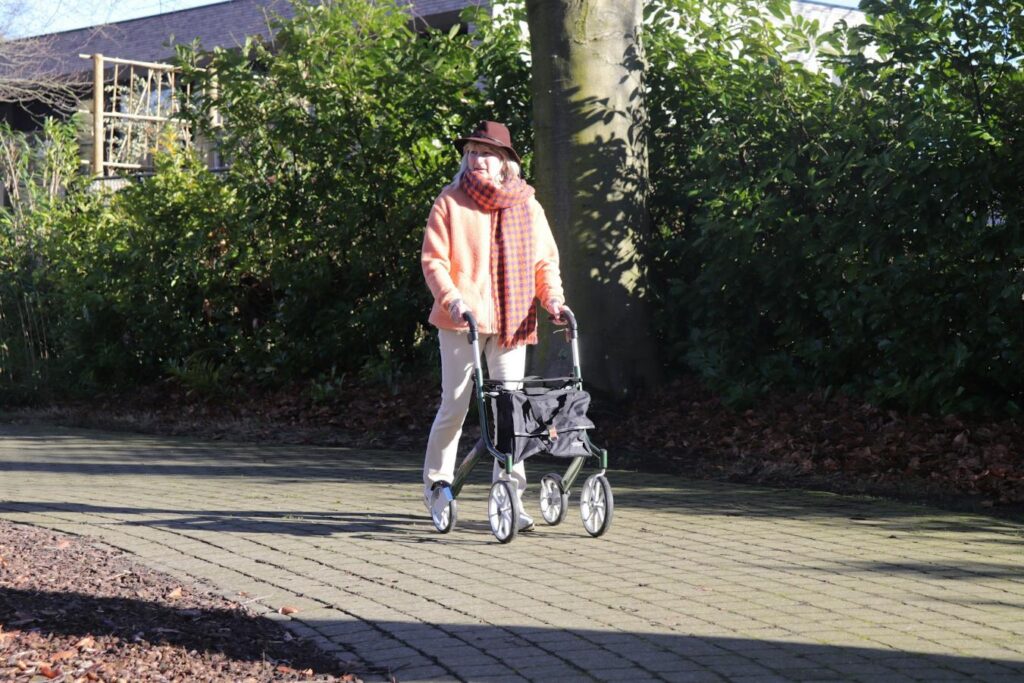
Many people at this stage can still walk independently, but many choose to use a walking aid such as a cane or walker for added safety and confidence.
What is the Final Stage of Parkinson’s Disease?
Stage 5 is the most advanced stage of Parkinson’s disease, where symptoms are severe and constant support is needed. People in this stage are usually unable to stand or walk without assistance due to stiffness in the legs, and they may also experience episodes of confusion or hallucinations.
It is important to remember that everyone’s journey is different, and many people live with Parkinson’s for many years before reaching this stage.
Symptoms of Parkinson’s
The symptoms we often associate with Parkinson’s include tremors and changes in movement, but every person living with the condition is unique and can be affected in different ways.
These differences can depend on several factors, including genetics, environmental influences and age at diagnosis. While there is no cure for Parkinson’s disease, a combination of medication, therapy and in some cases surgery can help people manage their symptoms and maintain independence.
Motor Symptoms
Motor symptoms are those that affect movement, and are the main symptoms of Parkinson’s disease. These may include:
Tremors, which are shaking or trembling movements in the body. They most often occur in a person’s hands, but can also present in other areas including the jaw, lower lip or leg.
Stiffness
Slower movement
Difficult walking, such as walking with smaller steps or a feeling of being unable to move forward.
Posture may become more hunched, and facial expressions can appear reduced.
Voice changes can also be noticed, often becoming quieter or more monotone.
Non-motor Symptoms
Parkinson’s can also affect areas beyond movement, including a range of psychological and physical symptoms. These can include:
Digestive issues such as constipation or changes in bladder function.
Sleep difficulties and fatigue.
Mental Health Problems such as depression or anxiety.
Cognitive symptoms can develop over time, including changes in memory, thinking or perception, as well as confusion or hallucinations.
A reduced sense of smell is a minor symptom that some people notice.
Parkinson’s Care at Rowanbrook Care Home
At Rowanbrook Care Home, we understand that Parkinson’s affects each person differently, which is why care should never be one-size-fits-all. Our approach centres on the individual, not the condition. We take time to understand each resident’s abilities, preferences and goals, so we can support them in a way that feels natural and respectful.
Our experienced team provides calm, consistent support that helps residents maintain as much independence as possible. Whether it is encouraging someone to stay active, supporting daily routines or adapting care as needs change, our focus is always on what each person can do, not what they cannot.
With specialist knowledge and a compassionate approach, we aim to create an environment where people feel safe and in control of their day-to-day lives. If you or a loved one is living with Parkinson’s Disease and are looking for expert support, please contact us today to arrange a visit to our home or discuss how we can help.