
Complex Nursing Care in Walsall: What Families Need to Know
When a relative's health becomes more difficult to manage at home, families often face a question they were not expecting to ask: what level of care do they now need?
The answer is not always straightforward. Someone may be physically frail, living with several long-term conditions, recovering from a serious illness, or experiencing dementia alongside significant physical or psychological needs. In these situations, ordinary residential support may no longer provide everything required.
For families in Walsall, understanding how higher-level care works can help when discussing options with healthcare professionals and visiting potential care settings.
What Does Complex Care Actually Mean?
“Complex” describes the combination and level of a person's needs rather than a particular diagnosis.
Someone may have one condition that requires substantial support, while another person may have several conditions whose effects overlap. Their needs can also change over time, meaning the appropriate level of support today may not be the same in six months.
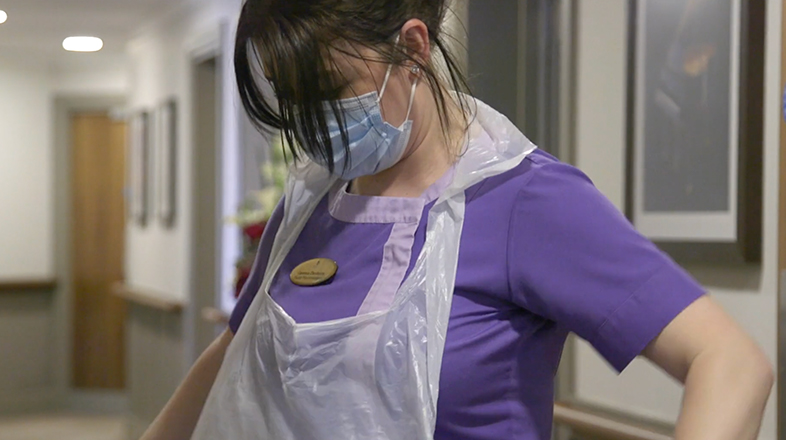
The NHS describes nursing homes as settings that provide personal care alongside 24-hour support from qualified nurses. Some homes have additional experience supporting people with complex medical conditions, severe physical disabilities or recovery following serious illness.
This distinction matters because a person requiring clinical oversight is not simply looking for somewhere that can help with washing, dressing or meals. The care environment needs to be capable of responding appropriately when health needs become more involved.
That does not mean a care home replaces a GP, hospital or specialist medical service. Diagnosis and medical treatment remain the responsibility of the relevant healthcare professionals. The home's role is to provide ongoing care and support within an appropriate setting.
When Might Someone Need More Support?
There is no checklist of diagnoses that automatically means a person needs a particular type of placement. The more useful question is whether their current arrangements can safely and consistently meet their needs.
For example, someone recovering from a serious illness may need considerable assistance while their strength and mobility remain limited. Another person may have Parkinson's disease, Motor Neurone Disease or Huntington's disease, alongside increasing difficulties with everyday activities.
Dementia can introduce another layer of complexity. As symptoms progress, a person may need greater supervision, assistance with personal care, support with communication and help maintaining a consistent routine.
Mental health can also influence the type of environment required. Someone with an enduring mental health condition may need structured support, consistent relationships with staff and an environment that understands how their psychological and physical needs interact.
Why Is Assessment So Important?
A diagnosis alone cannot determine whether a particular care setting is suitable. Assessment should consider the whole person, including physical health, cognition, communication, mobility, emotional wellbeing, personal care requirements and the support they already receive.
This is particularly important when someone is moving after a hospital stay. Their needs at discharge may be very different from those they had before becoming unwell, and families may not yet know what support will be needed once they return to a normal daily routine.
Walsall Council explains that where a care home is being considered, the person's needs and any specialist support requirements should be assessed before an appropriate setting is identified.
A good assessment should therefore answer practical questions. Can the person transfer safely? Do they need help at night? Are there communication difficulties? How much assistance is needed with eating and drinking? Are there behaviours or psychological symptoms that staff need to understand? These details matter because two people with the same diagnosis can require completely different approaches.
What Should Families Ask About Clinical Support?
When visiting a potential home, families often concentrate on bedrooms, gardens and communal areas. Those things matter, but clinical arrangements deserve equal attention.
Ask who will be responsible for overseeing day-to-day health needs and how changes in condition are identified. It is also reasonable to ask how information is recorded, how care plans are reviewed and how the home communicates with GPs, community teams and other professionals.
Medication is another useful area to discuss. Families should understand who manages medicines, how changes are communicated and what happens if a person's medication or health needs change.
The aim is not to expect a care home to provide hospital-level treatment. Instead, families should establish whether the home has the staffing, experience and systems needed to provide the level of ongoing support identified during assessment.
How Should Care Plans Reflect the Person?
Good care planning goes beyond recording diagnoses. A useful plan should explain how a person likes to communicate, what their normal routine looks like, what they can do independently and where they need assistance. It should also capture preferences that can easily be overlooked in a clinically focused assessment.
For someone with dementia, this can be particularly important. Familiar routines, meaningful activities and an understanding of the person's history can help staff provide more individualised support.
NICE recommends person-centred care for people living with dementia, including consideration of their individual needs, preferences and circumstances. This principle applies more widely too. A person with significant health needs is still an individual with their own interests, relationships and choices.
Rowanbrook states that its care plans consider residents' medical needs, preferences and daily routines. The home also encourages residents to personalise their private rooms with familiar belongings, helping create continuity when they move into a new environment.
What Should You Look For When Visiting a Care Home?
A visit can reveal things that a website or brochure cannot.
Notice how staff speak to residents. Are conversations respectful? Do staff appear to know individual residents? Are people given time to communicate rather than being hurried through tasks?
Look at the environment from the perspective of the person who will live there. Someone with mobility difficulties may need accessible spaces. Someone with dementia may benefit from an environment that is easy to understand and navigate.
Ask what happens when needs change. A home may be suitable for someone today but less appropriate if their condition progresses. Understanding how reviews are carried out can help families think beyond the initial admission.
For families comparing homes around Walsall, it is worth taking notes during each visit. The differences between settings can be difficult to remember afterwards.
How Can Families Prepare for a Move?
The transition is easier when the new care team understands the person before they arrive.
Families can provide information about daily routines, interests, important relationships, communication preferences and things that cause distress. Details such as preferred foods, usual sleeping patterns or familiar music may appear small, but they can help staff understand the person as an individual.
It is also useful to involve the person in decisions wherever possible. If someone has dementia or another condition affecting decision-making ability, their views and preferences should still be considered. The Alzheimer's Society emphasises keeping the person with dementia at the centre of decisions about moving into care.
When a move follows hospital treatment, families should ask questions about the discharge plan and make sure important information is shared with the receiving care team. The goal should be continuity, not simply getting someone through the door.
Frequently Asked Questions
Is complex care only for people with one serious medical condition?
No. Complexity can result from several conditions occurring together, or from the interaction between physical, cognitive and psychological needs. A professional assessment is needed to determine what level of support is appropriate.
Does someone with dementia automatically need a nursing home?
No. Dementia affects people differently. Some people can remain at home or live in residential settings for many years, while others eventually develop needs that require 24-hour nursing support.
What is the difference between residential and nursing homes?
Residential homes provide accommodation and personal care. Nursing homes provide these services alongside 24-hour support from qualified nurses. Some homes provide both types of care.
Can care needs change after someone moves in?
Yes. Health conditions can progress, improve or change unexpectedly. Care plans should therefore be reviewed as circumstances change rather than treated as permanent documents.
If you are considering a care setting for someone with complex health needs in Walsall, speaking with the person's healthcare professionals and visiting suitable homes can help you make an informed decision. Rowanbrook Care Home can provide further information about its approach and assessment process for families and professional referrers. To discuss your requirements or arrange a visit to our home, you can book a call with our team today.